If your lights flicker, powerpoints stop working, or safety switches keep tripping, it’s time to call us. These are early signs of a fault that could pose a safety risk if ignored.
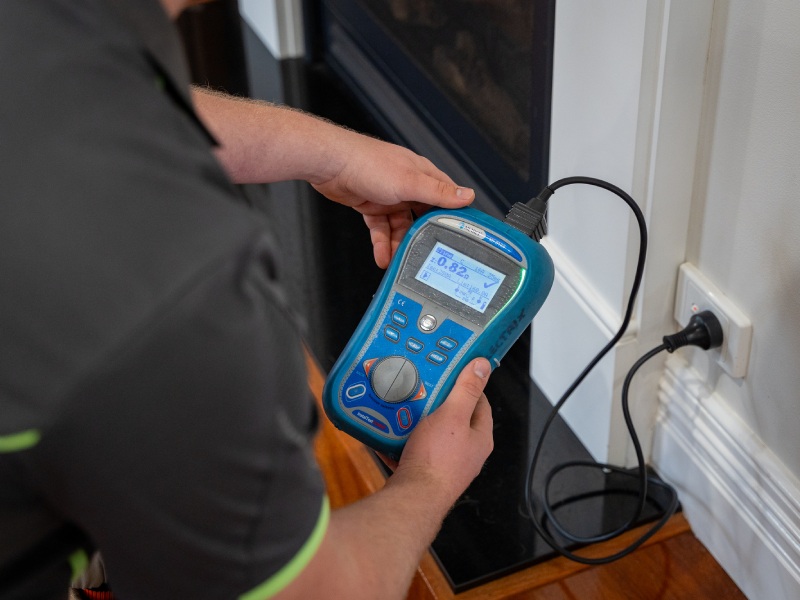
A higher
standard of care

Lifetime workmanship
guarantee

Fixed price quotes
on all jobs

Free safety inspection
with every service
Common electrical faults we find during investigation
Electrical problems don’t always show themselves straight away — but when lights flicker, circuits trip, or powerpoints stop working, it’s often a sign of a deeper fault. At Limelight Electrix, we specialise in finding and fixing electrical faults quickly and safely before they turn into bigger hazards.
-
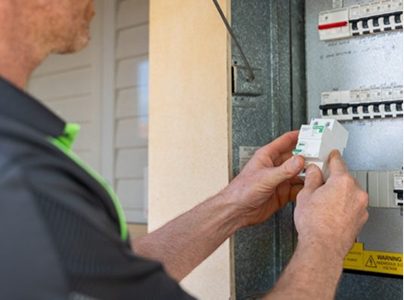
Short circuts
A short circuit happens when live and neutral touch, causing a surge and tripping breakers. We locate the fault precisely, repair damaged wiring, and test thoroughly to restore safe operation.
-
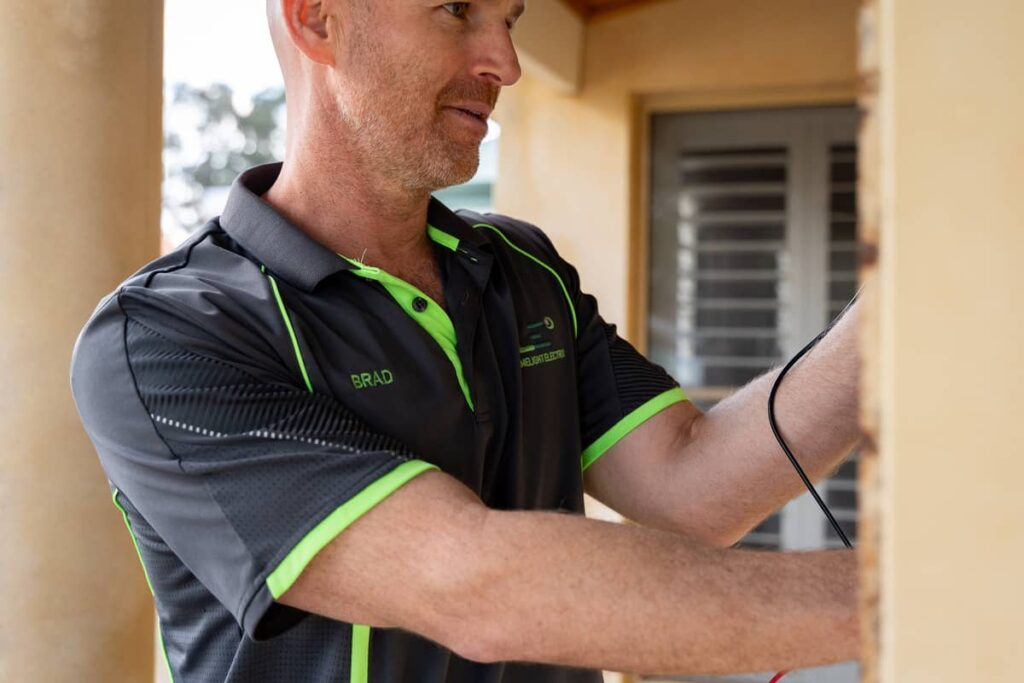
Overcrowded circuts
Too many devices on one circuit cause overheating and tripping, risking fire. We assess load, rebalance usage, add dedicated circuits where needed, and verify performance so the supply runs safely.
-
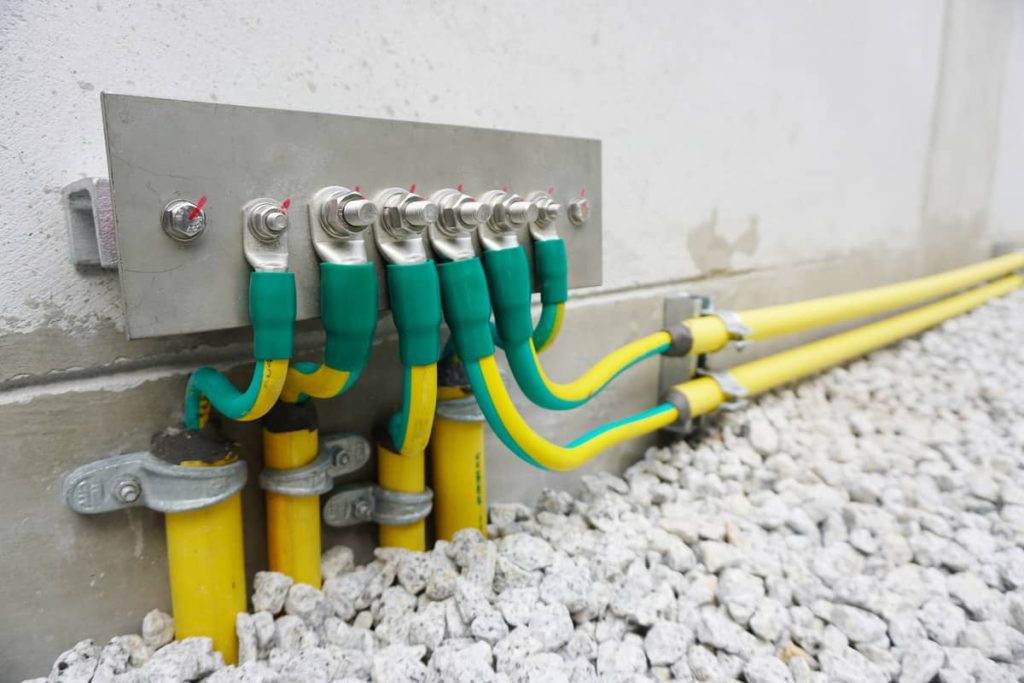
Earth faults
An earth fault happens when live wiring contacts ground, creating shock risk and tripping. We use testing, isolate the problem, repair insulation or components, and confirm protective devices operate correctly.
-
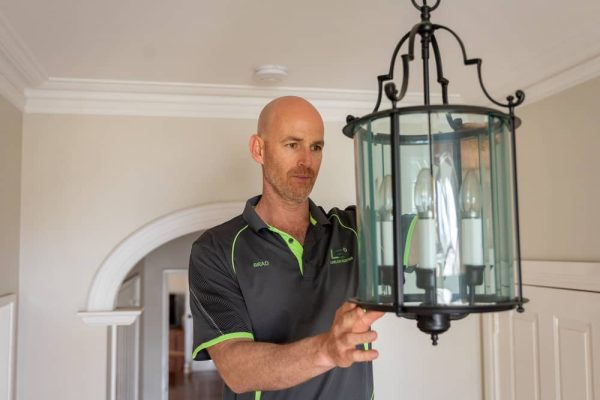
Loose connections
Loose or damaged connections cause flickering lights, heat, smells, and arcing. We inspect outlets and terminations, tighten or replace components, correct joints, and test circuits to ensure stable, safe operation.
-
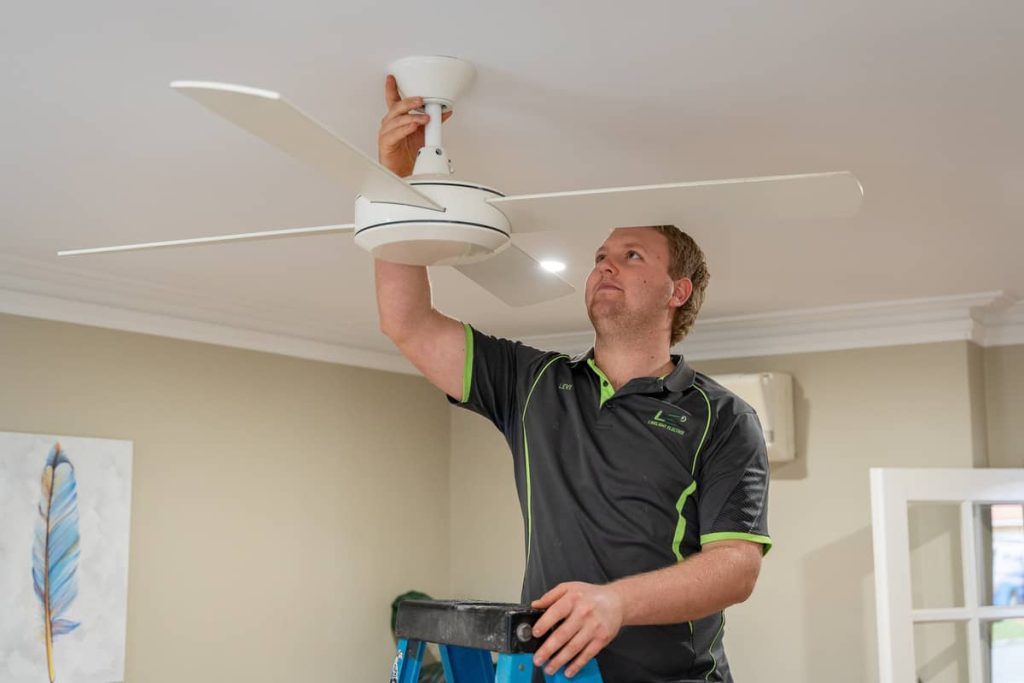
Faulty appliances
Defective appliances can trip breakers, spark, or damage wiring. We isolate circuit, test appliances, identify source, advise repair or replacement, and confirm electrical system remains protected and safe for use.
-

Lighting and switch faults
Flickering lights or dead switches indicate wiring issues or failing components. We test lighting circuits and controls, replace faulty parts, correct wiring, and verify illumination and switch performance at home.
What’s involved in electrical fault finding?
-
Something electrical not quite right?
Flickering lights, intermittent power, buzzing switches or unexplained tripping can all be signs that something needs attention.
We’ll take a closer look and work out what’s actually going on.
-
From “that’s weird” to “all sorted”
Not every electrical fault starts with a dramatic failure.
If something in your home has started behaving differently, Limelight Electrix can investigate the cause and get things working properly again.
-
Electrical faults don’t fix themselves
An intermittent problem can be easy to ignore once everything starts working again.
But if lights, outlets or circuits repeatedly behave strangely, it’s worth finding out why before the problem has an opportunity to worsen.
-
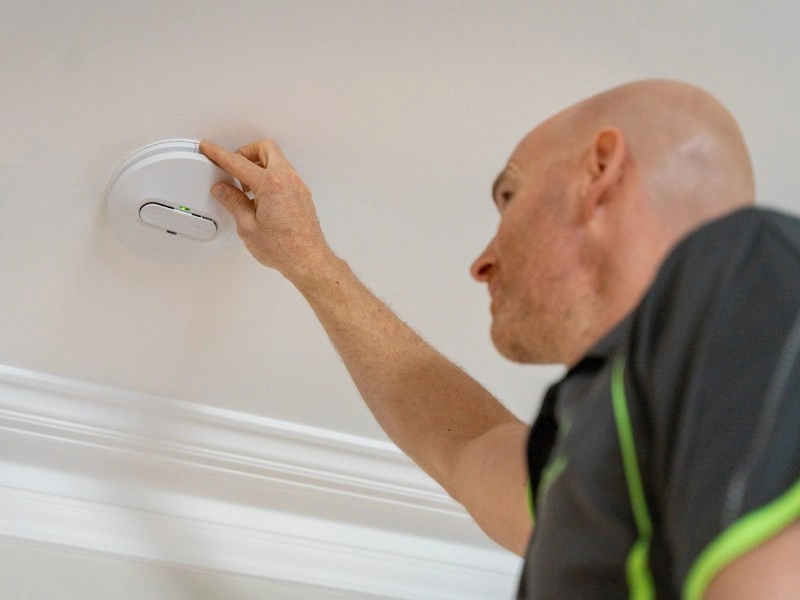
We don’t guess. We test.
Electrical fault finding is a process of investigation.
We use appropriate testing and our experience to narrow down possible causes, identify the fault and recommend the right way to fix it.
-
From switchboard to socket
Electrical faults can occur at numerous points throughout a circuit.
We work systematically through the relevant parts of your electrical system to isolate the issue and identify where attention is required.
Free electrical safety inspection
with every service
As a courtesy service to our clients, we provide a complimentary electrical safety inspection with any service. This is to ensure your home isn’t displaying any major electrical safety concerns that could put you and your family in danger. At Limelight Electrix, we strive to resolve any issues before a problem can occur.
Let’s get connected
$0 call-out, with fixed priced quotes that will always match the final bill.
We’re based in Booragoon and service most suburbs South of the River.
Our promise to you
We believe the electrical maintenance industry needs a higher level of workmanship, customer service and communication.
-
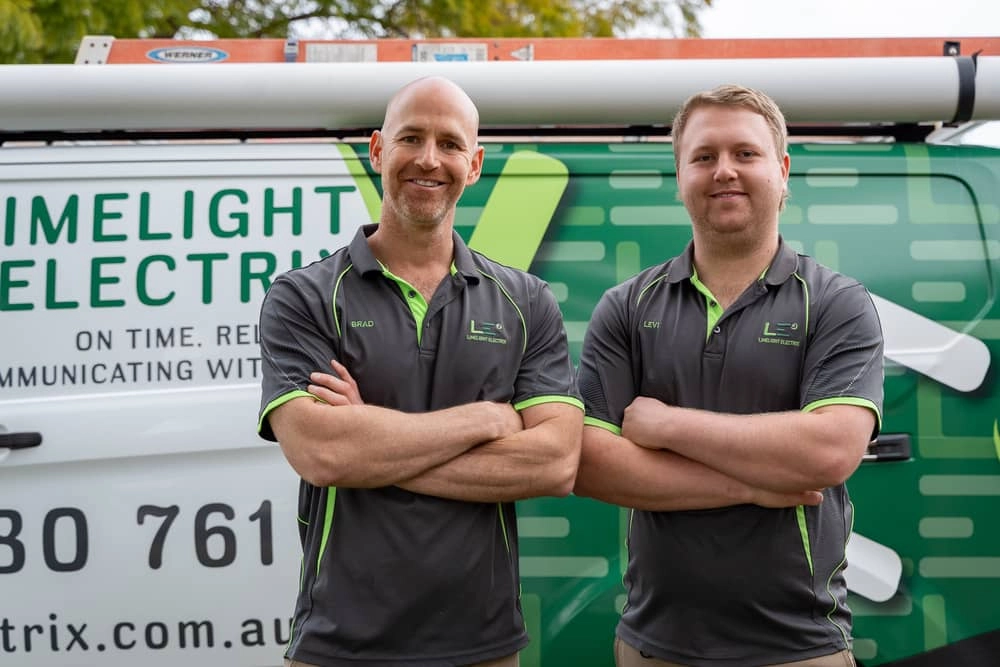
Fully trained and licenced electricians
-
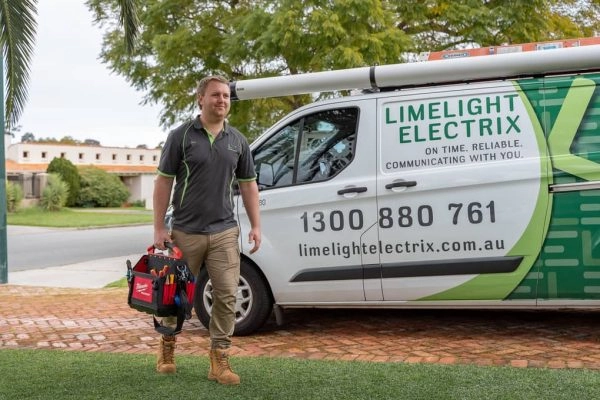
Higher level of workmanship
-
We always clean up after ourselves
-
We always clean up after ourselves
Read what others
are saying about us
Taken from a handful of our Google reviews.
-
This company ticks all the boxes. They are professional, knowledgeable, timely, good communicators, friendly, tidy, etc. No, they are not the least expensive option you’ll find out there, but you will most definitely get your money’s worth. They do the job right the first time, use top-notch products and do it all with a smile. Brad and his team are worth it!
Cynthia
-
Brad is brilliant with his prompt communication and punctuality.
Brad and Levi’s workmanship is thorough and safety is paramount for them. I was extremely impressed that Brad did a safety check as the first thing at the quoting stage.Brad and Levi are honest and open if you have any follow up queries.
I have already passed on Limelight Electrix details to a family member and wouldn’t hesitate to give their details to anyone who was after a superior Electrician. More than highly recommended!!We will certainly be using them in the
Sara
-
Would highly recommend Brad and his team for any electrical work. We have just used Limelight again to complete a variety of work at our recently purchased house, this will be about the fifth time we have used them and every time we cannot fault Brads work.
Whilst you may find cheaper quotes, you won’t find better quality – something we weren’t willing to comprise when dealing with electricity, not to mention presentation of our house. We had one minor hiccup with a phone line, they were straight back out to resolve it at no cost. They always call on the way to the job and stick to the agreed times.
Brett
-
Would highly recommend Brad and his team for any electrical work. We have just used Limelight again to complete a variety of work at our recently purchased house, this will be about the fifth time we have used them and every time we cannot fault Brads work.
Whilst you may find cheaper quotes, you won’t find better quality – something we weren’t willing to comprise when dealing with electricity, not to mention presentation of our house. We had one minor hiccup with a phone line, they were straight back out to resolve it at no cost. They always call on the way to the job and stick to the agreed times.
Brett
Servicing a
10km radius around Booragoon
We don’t run across the entirety of Perth’s metro area giving out quotes all day – because we keep things local, we’re able to spend less time in the van, longer on the job and keep our prices reasonable.
Let’s get connected
$0 call-out, with fixed priced quotes that will always match the final bill.
We’re based in Booragoon and service most suburbs South of the River.
Frequently asked questions
How do I know if I need electrical fault finding?
What causes electrical faults?
There are many possibilities such as ageing components, damaged wiring, moisture, loose or deteriorated connections, faulty appliances, overloaded circuits, pests and previous electrical work can all contribute.
Basically, there’s a lot that can go wrong which is why diagnosing the cause properly is important before deciding what needs replacing.
Why does my safety switch keep tripping?
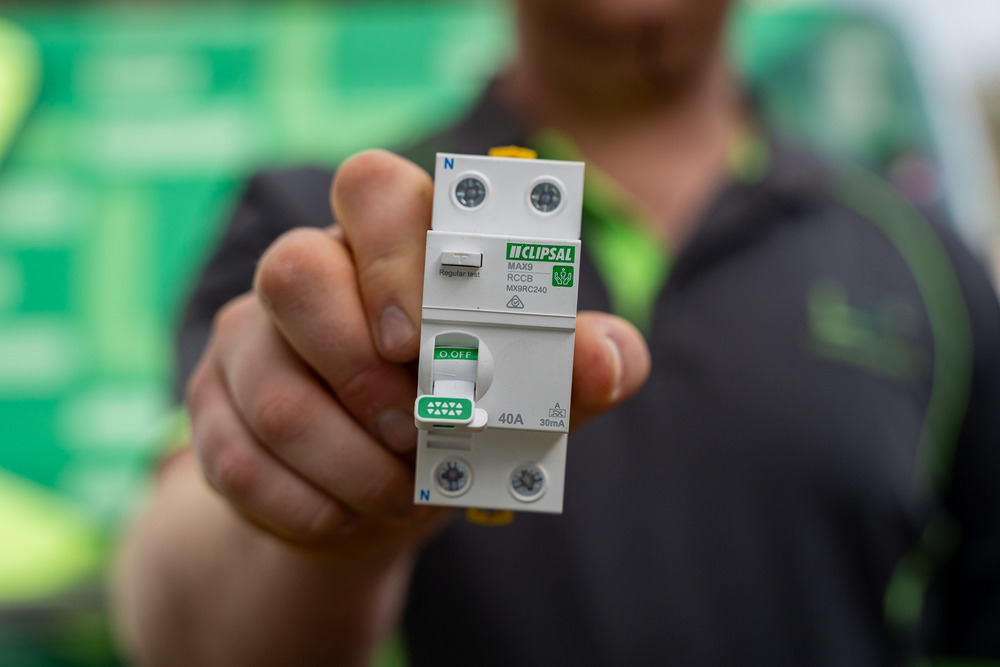
A safety switch can trip for several reasons, including a faulty appliance, moisture, damaged wiring or another electrical fault.
If it keeps happening, repeatedly resetting the switch isn’t addressing the underlying problem. Fault finding can help isolate the affected circuit and identify what’s actually causing it.
Why does my circuit breaker keep tripping?
Circuit breakers can operate because of an overloaded circuit, short circuit, faulty equipment or another problem within the electrical installation.
If the same breaker repeatedly trips, it’s worth having the circuit investigated rather than continually switching it back on.
Why have some of my power points stopped working?
Several power points can be connected to the same circuit, so the problem isn’t necessarily with the outlet that appears dead.
A fault elsewhere on the circuit, protective device or electrical connection could be responsible. We can test the affected circuit and trace the problem back to its source.
Why do my lights keep flickering?
Flickering can be caused by something relatively localised, such as a lamp or fitting, or potentially by an issue elsewhere in the electrical system.
If multiple lights are affected or the problem happens regularly, electrical fault finding can help determine the cause.
Why do my lights dim when an appliance turns on?
Some appliances draw significant power when starting.
However, noticeable or repeated dimming can warrant further investigation, particularly if it’s a new problem or affects multiple areas of the home.
Why does my RCD trip when it rains?
Moisture getting into outdoor electrical equipment, lighting, power points or other parts of an electrical installation can sometimes cause an RCD to operate. If you notice that tripping regularly coincides with wet weather, tell your electrician. That pattern can provide an important clue during fault finding.
Why does my power keep tripping when I use a particular appliance?
If the problem consistently occurs when one appliance is switched on, the appliance itself may be contributing to the fault.
There may also be an issue with the outlet or circuit supplying it. Testing can help distinguish between them.
What should I do if I smell something burning?
If you suspect an electrical burning smell, treat it seriously. Stop using the affected equipment if it is safe to do so and arrange for an electrician to investigate. Smoke, sparking, significant heat or other signs of immediate danger may require more urgent action.